The Best Questions to Ask Every Wedding Vendor
Planning a wedding means hiring a team of professionals you may have never worked with before. The difference between a stress-free wedding day and a chaotic one often comes down to what you asked-and what you didn't-before signing a contract. This guide breaks down the exact questions to ask wedding vendors across every category so you can compare options, avoid hidden costs, and book a team that truly fits your vision.
Key Takeaways
- Asking targeted questions during wedding planning enhances transparency and prevents unexpected costs. Cover guest count, timing, and backup plans in your very first conversation.
- Tailor your questions to each vendor type. A wedding venue requires different scrutiny than a florist or a makeup artist-one generic list won't cut it.
- Logistics matter as much as aesthetics. Confirm whether the venue can accommodate dietary restrictions, accessibility needs, how many guests the space holds, and whether you can bring your own alcohol.
- Every contract should clearly spell out payment schedules, cancellation policies, corkage fees, overtime charges, and exactly what is included so there are no surprises on your wedding day.
- Transparent professionals welcome a thorough conversation. If a vendor dodges detailed questions, that tells you something important.
How to Use This Guide When You Ask Wedding Vendors Questions
Think of this article as a master checklist organized by vendor type. Save it on your phone, print it before a venue tour, or pull it up during a video call with a potential photographer.
Start with the foundational questions section for every vendor you speak with, then jump to the relevant service-specific section-venue, caterer, photographer, hair and makeup, and so on. Write down concrete answers: actual dollar amounts, specific hours, exact policies. Vague responses like "we'll figure it out" are not good enough when your wedding is on the line.
If anything sounds unclear, ask follow-up questions. Clear, detailed answers are a positive sign of professionalism.
Foundational Questions to Ask All Wedding Vendors
Before diving into vendor-specific details, these core questions apply to every professional you consider hiring. Essential vendor questions include availability, pricing, experience, communication, and logistics.
- Availability: Confirm vendor availability on the wedding date as part of initial consultations. Ask whether they handle other weddings on the same day and how that affects their schedule.
- Backup plan: Ask about the vendor's backup plan for emergencies. What happens if the vendor gets sick or can't attend? Is there a second shooter, an assistant, or a partner who steps in?
- Pricing: Ask whether they charge a flat fee, hourly rate, or per-guest price. What is included versus what will cost extra? Inquire about payment plans and deposit requirements, accepted payment methods, and whether there are travel fees or service charges.
- Contracts: Getting a written agreement of services, total price, payment schedule, and backup arrangements is crucial before signing. Ask vendors about their cancellation, postponement, and refund policies to avoid surprises.
- Communication: What is their preferred contact method and expected response time? Will there be scheduled check-ins at six months, three months, and thirty days out? Communication about roles, responsibilities, and expectations should be clarified with vendors before you book.
Also confirm if vendors have experience with your venue and check if vendors provide references or reviews from past clients.
Essential Questions to Ask Wedding Venues During a Venue Tour
The wedding venue sets the tone for everything. Wedding venues affect overall budgets, guest experiences, and vendor options, so ask the hard questions early.
- Guest capacity and counts: Venues often have a maximum guest capacity limit. Ask how many guests the space can hold comfortably for both a ceremony and a sit down dinner-not just fire code maximum, but realistic capacity with a dance floor, buffet stations, and a cocktail hour area. Find out whether there are price jumps at certain guest count thresholds, such as moving from 150 to 200 guests.
- Date, time, and rental hours: Confirm available dates in your target season, how many hours are included in the rental fee, when vendor access begins for setup, and whether overtime can be added on the wedding day. These hours directly limit what other vendors can accomplish.
- Food and drink policies: Many venues have specific alcohol policies and corkage fees. Ask whether you must use an in house caterer or can bring outside catering. Can you bring your own alcohol, or does the venue hold the liquor license? Clarify corkage fees per bottle and whether there are bar package minimums.
- Venue tour specifics: Walk through every space-the ceremony site, reception space, a backup area for inclement weather, getting-ready suites, and the parking situation. Ask about noise restrictions, curfews, and decor limitations like open flame or hanging items. Also ask about bathroom facilities for your expected guest count.
- Accessibility and inclusivity: Can the venue accommodate wheelchair access, elevators, and accessible restrooms? Are there quiet spaces for older guests or nursing parents? Ask about policies for service animals and cultural rituals.
- Fees and contracts: Most venues require a deposit of 25–50%. Ask about security fees, cleaning fees, venue fee breakdowns, and whether event insurance is required-venues may require event insurance for liability coverage. Some venues provide an on-site coordinator for events, which can be a huge advantage. Also ask whether there is a cost difference for off-peak dates like Fridays or winter months, and clarify rehearsal time availability.
Questions to Ask a Wedding Caterer and Bar Service
Food is one of the most memorable parts of any reception. Review package inclusions and exclusions to understand total costs and responsibilities.
- Menu planning: Caterers should provide a tasting before the event. Ask when tastings happen, whether custom menus are possible, and whether they offer tastings as part of the planning process. Ask if they offer dietary-friendly options like vegan meals, gluten free plates, and allergy-friendly dishes at scale. Caterers should accommodate dietary restrictions and allergies-ask how they handle cross-contamination.
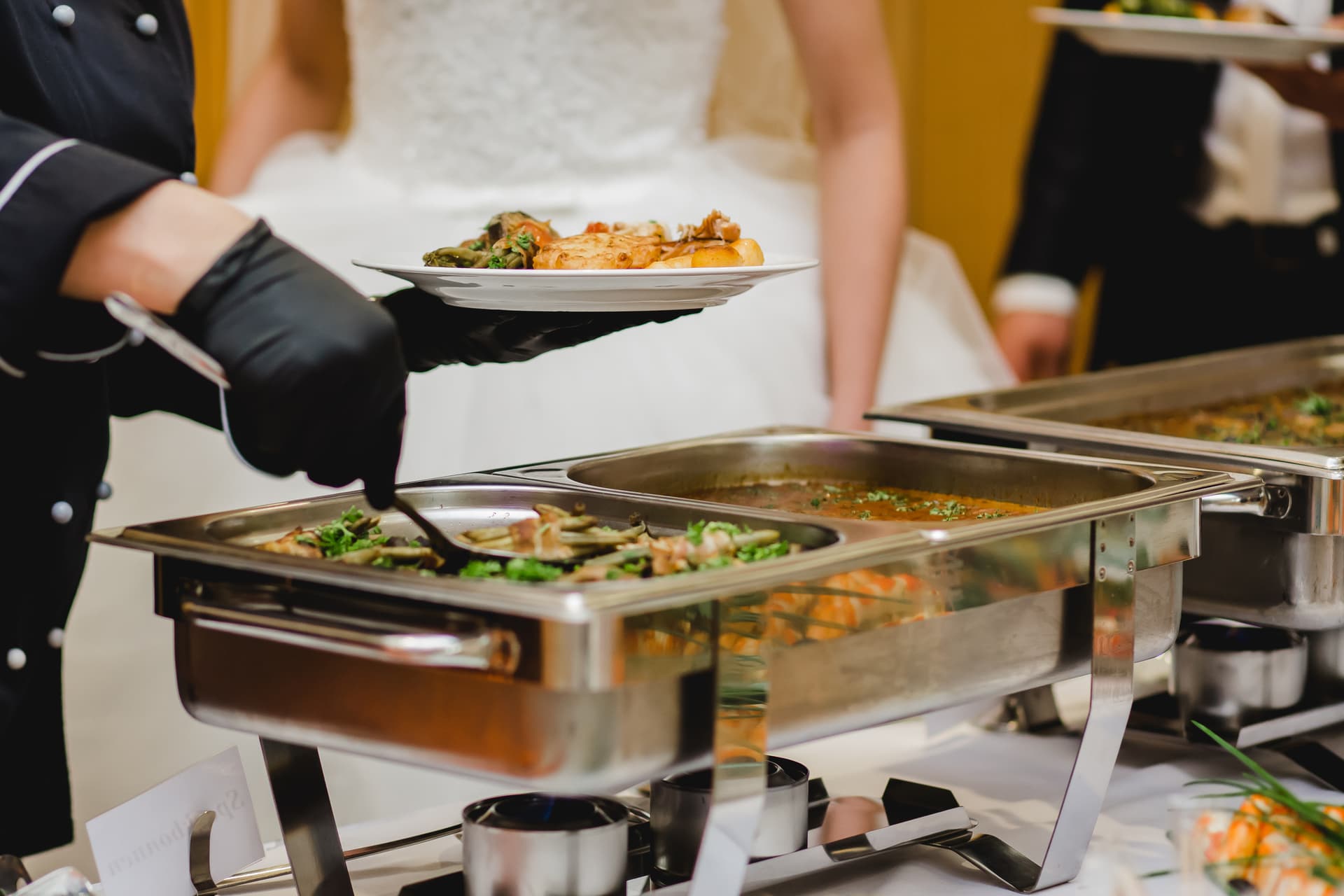
- Service style: Will the reception feature a plated meal, buffet, family style, or stations? Inquire about the server-to-guest ratio for your event, especially for larger receptions of 120 or 200 guests. The style you choose affects timing, staffing, and cost.
- Alcohol specifics: Ask about bar packages versus consumption-based billing, whether corkage fees apply, how leftover alcohol is handled, and what the bar closure time is.
- Logistics: When is the final guest count due? How late can changes be made? What time does the team arrive for setup? Confirm if they provide linens, utensils, and plates, or if those are separate rental costs.
- Cost details: Ask about additional fees including service charges, taxes, a cake cutting fee if you're using an outside baker, vendor meals for photographers and DJs, and final payment timing.
Questions to Ask a Wedding Cake Baker and Dessert Vendor
Your wedding cake is both a centerpiece and a dessert, so details matter.
- Tastings: Ask whether they offer tastings, how far before the wedding day they happen, how many flavors you can sample, and whether the tasting fee is applied to the final cake order.
- Design and servings: What size cake makes sense for your guest count? For 150 guests, many bakers recommend a decorative tier plus sheet cakes for cost efficiency. If you're adding a dessert bar, ask how many dessert pieces per guest they suggest.
- Dietary needs: Availability of vegan, nut-free, or gluten free tiers? How is cross-contamination handled? Will allergy-friendly desserts be clearly labeled at the reception?
- Delivery and setup: Does the baker deliver to the venue? What's the delivery time window and fee? Who places the cake stand and cutting utensils, and how does decor coordination with the florist work?
- Practical details: If your wedding is outdoor or warm, ask about cake storage and climate control. Can you save the top tier? Some bakers provide a small anniversary cake instead of freezing leftovers, which often makes sense for quality.
Questions to Ask Your Wedding Photographer and Videographer
Visual vendors preserve the day permanently. Ask about packages and suggestions for your wedding before comparing prices.
- Coverage details: How many hours are included? Which parts of the day are covered-getting ready, first look, ceremony, reception exit? Can additional hours be added in advance or on the day?
- Team composition: Confirm if a second shooter is included in the package. How do they divide coverage during simultaneous events like cocktail hour portraits and guest mingling?
- Creative approach: Inquire about the photographer's editing style-true to color, moody, bright. How do they handle low-light receptions? Do they give posing direction, or focus on candid moments? Also ask about an engagement session if that interests you.
- Technical backup: Do they carry backup equipment including duplicate memory cards and backup cameras? What's their contingency plan if equipment fails? Have they worked at your chosen venue before?
- Delivery: Ask how long it takes to receive all the photos-typical turnaround time is six to ten weeks for a full gallery. Check if the photographer provides sneak peeks and when. Clarify file formats and whether delivery is via USB or online gallery.
Questions to Ask Wedding Planners and Day-of Coordinators
A wedding planner ties all vendors together and protects your time and mental bandwidth during the planning process.
- Service levels: What's the difference between full planning, partial planning, and month-of coordination? What is included in each, and when does their work start relative to the wedding day?
- Logistics and communication: How often do they meet or call during the planning year? Do they attend venue tours? How do they share timelines and vendor details-shared documents, planning software, or email threads?
- Vendor management: Do they confirm arrival times with each vendor, build the master wedding day timeline, manage setup and breakdown, and handle last-minute changes like rain plans? A good coordinator also manages vendor meals, parking, and lodging logistics.
- Budget and payment: Ask about their fee structure-flat fee versus percentage of budget. Clarify deposit amount and schedule, travel fees for multiple venues, and their policy for staying later if the reception timeline runs behind. Get clear payment terms in writing.
Questions to Ask About Music: Wedding DJ, Live Band, and Ceremony Musicians
Music shapes the energy of your wedding day from the ceremony through the last dance.
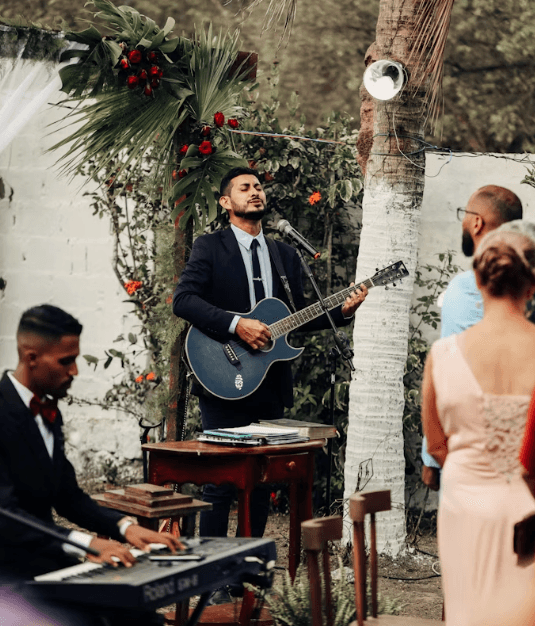
- Experience and style: How many weddings do they perform each year? DJs can create a custom playlist for your wedding-ask whether couples can share "must play" and "do not play" lists. Ask DJs about their music library and genres available. Live bands can perform during the ceremony and reception, so ask about their range.
- Logistics: What time do they arrive for setup? What equipment do they bring, and do they use their own equipment for sound and lighting? Do they supply microphones for the officiant and speeches?
- Coverage: Can the same space host both the ceremony and reception music, or are separate sound systems needed? Whether it's a live band or a DJ, clarify whether music is continuous or if there are gaps during breaks.
- Overtime: What is the hourly rate for extending the reception? Inquire if the DJ takes requests from guests during the event. Confirm if the band has backup musicians available in case someone falls ill.
- Contract: Clarify travel fees, liability insurance requirements, and any venue-specific noise restrictions or sound level limits.
Questions to Ask Your Florist and Décor Vendors
Florals and décor transform your venue from a blank canvas into your vision.
- Design process: How do couples share inspiration-mood boards, Pinterest, color swatches? How are proposals presented, and when are final designs locked in? Florists can provide examples of their previous work, so ask to see portfolios from weddings with a similar aesthetic.
- Logistics: Who delivers bouquets and boutonnieres to the getting-ready location? Who sets up ceremony and reception florals? Does the florist return at the end of the night to collect rental items? Florists may charge extra for delivery and setup services, so get those numbers upfront.
- Seasonal and budget considerations: Floristics involve understanding seasonal availability of flowers and potential substitutions. Florists often suggest flowers based on your budget, and they may require a minimum budget for services. Ask about realistic price ranges for centerpieces for tables of eight to ten guests.
- Practical questions: Can ceremony flowers be reused at the reception in the same space? How do heat-sensitive stems hold up outdoors? Florists typically have a cancellation policy for orders-confirm this along with any additional services like post-event flower donations.
Questions to Ask Hair and Makeup Artists
Beauty vendors set the tone for how the bridal party looks and feels all day.
- Experience and capacity: Ask how many weddings the artist has worked. How many stylists are on their team, and how many people can they handle on site between 8:00 a.m. and noon? Do they bring assistants for a larger wedding party? Request to see photos of their previous work.
- Trials: Confirm if a trial session is included in the package or billed separately. When should you schedule it relative to the wedding date? Bring your veil, hair accessories, and inspiration photos. A trial is the best way to confirm you love the result.
- Products and needs: What brands do they use? Are formulas water-resistant and long-wear for summer receptions? Inquire about their experience with diverse skin tones and a wide range of hair textures. If anyone in the bridal party has sensitive skin or allergies, confirm the makeup artist can accommodate.
- Logistics: Where does the hair and makeup service take place-at the venue, a hotel suite, or a studio? Ask about travel fees and how they build the beauty schedule for the wedding party. Ask if they provide touch-ups before the ceremony or photos. Confirm final payment timing and their cancellation policy.
Important Questions About Guest Experience, Accessibility, and Special Requests
These cross-vendor questions protect guest comfort and ensure nothing falls through the cracks.
- Accessibility: Ask the venue about ramps, elevators, accessible restrooms, clear signage, and seating arrangements for guests with mobility limitations. Confirm that the reception space and ceremony area both meet these needs.
- Kids and older guests: Can vendors and the venue set up a quiet area or softer music zones away from speakers? Is early dinner service available for children?
- Cultural, religious, and personal rituals: Whether it's a tea ceremony, ketubah signing, or traditional dance, confirm space and time with the venue and wedding planner. Officiants can help create your ceremony speech and you can ask officiants about their experience with specific wedding types. Officiants should attend the rehearsal for your wedding, and you can request to view the officiant's ceremony script beforehand. Ask officiants about their backup plans if they can't attend. Brief all relevant vendors on special accommodations and specific accommodations for bilingual ceremonies or unique processions.
- Dietary and safety: Dietary restrictions, allergies, and special meal accommodations are common considerations during wedding planning. Confirm non-alcoholic cocktail options for sober guests and clarify food allergy protocols with your caterer. Handle special requests early, not as last-minute additions.
How to Compare Wedding Vendors and Make Final Decisions
Collecting answers is only useful if you can compare them effectively. Comparing wedding vendors should involve evaluating their quality, communication, reliability, and fit to your vision.
- Compare like-for-like: Don't just look at headline prices. Break down coverage hours, guest count capacity, included items, and hidden additional fees. One photographer who includes an engagement session and album at $4,000 may be a better value than one quoting $3,200 without extras.
- Chemistry and communication: Which vendors listen well, explain clearly, and respond promptly? The feel of the first meeting predicts how they'll perform on your wedding day.
- Build a simple comparison: For each vendor category, create a side-by-side list of your top two or three contenders. Rank them by objective details-cost, availability, hours-and subjective fit. Artisans and vendors must carry professional liability insurance, often required by venues and clients, so confirm that too.
- Walk away when needed: If a vendor resists questions, won't clarify contracts, or can't explain their contingency plan, that's a red flag. Transparency is key to a calm and confident wedding day. It's always okay to choose a vendor who is upfront, even if their price is slightly higher.
FAQ: Common Questions About What to Ask Wedding Vendors
These Q&A items address the questions couples ask most frequently beyond what's covered above.
What is the first question I should ask every wedding vendor?
Confirm whether the vendor is available on your exact wedding date and in your preferred location. This is the gatekeeper question-if they aren't free, there's no reason to continue. Many planning experts recommend asking this before discussing packages or pricing.
How many wedding vendors should I meet before booking?
For critical categories like venues and photographers, meeting two to three strong options gives you enough range without decision fatigue. For other vendors-florists, DJs, cake bakers-one or two solid options often suffice. Quality and fit matter more than volume.
When should I bring up my budget with vendors?
Early-ideally on the first call. Sharing a clear budget range lets vendors propose realistic options rather than building packages you can't afford. This also shows respect for everyone's time and helps the planning process move faster.
Is it rude to ask wedding vendors about discounts or off-peak pricing?
Not at all. It's standard practice to ask whether vendors offer lower pricing for weekdays, winter dates, or smaller guest counts. Many venues and vendors publish off-peak rates. Be polite, respect their minimums, and you'll find most professionals appreciate a straightforward conversation.
What should I do if a vendor refuses to answer certain questions?
Consistent evasiveness around contracts, fees, or backup plans is a red flag. Including asking about the backup plan for weather or emergencies helps in planning, and any vendor unwilling to discuss these topics is worth reconsidering. You're usually better served choosing a vendor who is transparent and comfortable addressing detailed questions, even if it means paying a bit more for peace of mind.