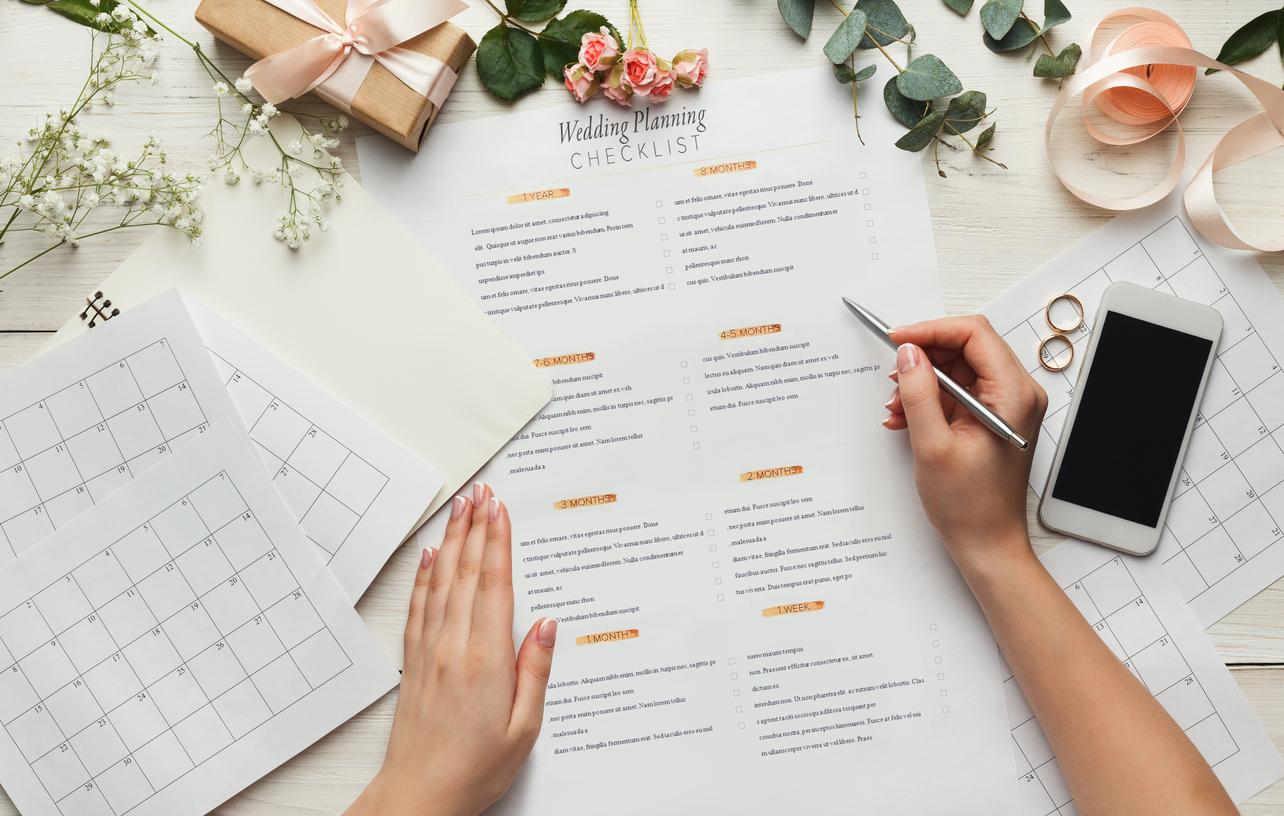
Planning a 2026 wedding requires more than Pinterest boards and vague timelines. It demands a structured, month-by-month system that keeps you organized from engagement to honeymoon. This primary wedding planning checklist covers every phase—from 18+ months before your wedding date through the week after—designed to be scannable, printable, and genuinely useful.
Key Takeaways
This 2026 wedding checklist runs from 18+ months before the big day through the week after, meant to be quickly scannable and printable for easy reference throughout your wedding planning process.
Adaptable timeline: couples with shorter engagements can compress multiple months into a single month while still hitting every critical milestone — budget, venue, major vendors, legal paperwork.
2026-specific approach: this checklist reflects how couples are planning weddings now — flexible guest counts, hybrid and destination options, digital RSVPs, and a focus on guest experience.
Strategic mindset: think like a project manager so your wedding day feels relaxed, not chaotic. Tools like Eydn keep everything in one place so nothing slips through the cracks.
Comprehensive coverage: you'll get a month-by-month checklist plus FAQs that answer less obvious planning questions — when to negotiate, how to manage tech, and how to stay on budget.
Actionable structure: each section includes specific tasks organized by category (Money & Logistics, Vendors & Creative, Guest Experience) so nothing falls through the cracks.
How to Use This Primary Wedding Planning Checklist (2026 Edition)
This is a practical, primary checklist — not fluff. Convert it into a Google Sheet, Notion board, printed PDF, or use a dedicated planning app like Eydn to keep everything in one place. The format works however you work best.
Month ranges (e.g., "12–18 months") are guidelines based on a typical 2026 wedding date between May and October. Winter and weekday weddings can follow the same order with slightly more flexibility on vendor availability. If you're already inside a time window — say, 7 months out — start at that section and scan earlier sections for anything you may have missed.
Inside each time block, look for these organizing categories: Money & Logistics, Vendors & Creative, and Guest Experience. Bookmark, print, or save this checklist, and schedule weekly 30–45-minute "wedding CEO" sessions with your partner to review progress and update tasks.
18+ Months Before Your 2026 Wedding (or ASAP After Engagement)
This is the foundation phase, when big-picture decisions such as budget, location, and size are made. If you're aiming for peak 2026 dates (May–October Saturdays), starting early is essential — these dates book up fast.
Money & Logistics
Set a clear total budget range and note who is contributing — you, families, savings — and how much each party is comfortable committing.
Research the 2026 wedding seasons in your area, including popular dates and major local events that may affect hotel prices and traffic.
Consider ring insurance and personal property coverage for your engagement ring and future wedding bands.
Start a shared digital workspace with subfolders for contracts, invoices, guest list, and timeline spreadsheets. eydn keeps all of this organized automatically, so nothing gets buried in a Drive folder.
Vendors & Creative
Have your first conversation about vision: city vs. countryside, destination vs. home state, religious vs. secular, evening vs. daytime, and approximate guest count.
Make a "must-have" list to drive where your budget is weighted — live band, specific photographer, particular venue, film photography, weekend-long celebration.
Guest Experience
Start thinking about whether you want a multi-day wedding weekend with a welcome party and farewell brunch, or a single-day celebration.
If considering a destination wedding, begin researching venues and travel early to understand logistics and costs.
12–15 Months Before: Lock In the Core of Your 2026 Wedding
This is when the "shape" of your wedding becomes real: date, venue, guest count, core vendors, and overall style. Prime 2026 Saturdays book up fast, so decisions made now set the foundation for everything else.
Money & Logistics
Finalize your approximate guest list count and tiers, including the absolutely-invited, would-like-to-invite, and plus-ones policy.
Research, tour, and compare 3–5 wedding venues. Ask about rain plans, guest count limits, catering requirements, curfew rules, and 2026 weekend availability.
Choose and book your ceremony and reception venues. Sign contracts with your date, time blocks, and payment schedules laid out in detail.
Launch a shared wedding email address for vendor communications to keep planning separate from your personal inbox.
Vendors & Creative
Choose a general wedding theme and formality. Build a mood board with 8–12 images and a color palette.
Begin researching high-demand vendors for 2026: photographer, videographer, planner or day-of coordinator, and entertainment. Prioritize those with limited availability.
Decide between a full-service wedding planner ($2,500–$5,000+), partial planner, or day-of coordinator ($1,500–$3,000+) based on your time, complexity, and budget.
Book at least one high-priority vendor by the end of this window and start collecting signed contracts and retainers.
9–12 Months Before: Build Your Vendor Team and Visual Identity
This stage is about fleshing out details: attire, registry, core vendors, and the visual identity of your wedding across print, web, and décor.
Vendors & Creative
Confirm and book key vendors: photographer, videographer, DJ or band, primary caterer, and florist.
Start shopping for wedding-day attire. Custom gowns require 6–9 months for production plus 2–3 months for alterations — order early.
Design or select save-the-dates that align with your color palette so your printed and digital assets feel unified.
Schedule an engagement shoot with your photographer to build rapport before the wedding day.
Guest Experience
Decide on your wedding party, invite members by a specific target date, and set expectations around travel and attire costs.
Create your wedding website with clear sections: date, venue, hotel blocks, dress code, schedule, FAQ, registry, and digital RSVP. eydn's wedding website builder keeps guest-facing details connected to your back-end planning so updates happen in one place.
Start your wedding registry with at least one traditional retailer, one online marketplace, and optionally a cash or honeymoon fund.
For destination or peak-season 2026 weddings, book hotel room blocks early and review release dates and minimums.
6–9 Months Before: Guest Experience, Logistics, and Style Details
This phase focuses on decisions guests will feel most directly: food, accommodations, wedding party coordination, and the flow of your weekend.
Guest Experience
Send save-the-dates around 8–9 months before for local events, and 10–12 months before for destination or holiday weekend events. Include your wedding website URL.
Map out the full wedding weekend structure on one page: welcome event, rehearsal dinner, ceremony, reception, and farewell brunch.
Secure transportation logistics: shuttles, rideshare pickup instructions, or parking arrangements.
Vendors & Creative
Pick and order wedding party attire. Ensure ordering and alteration timelines align with your wedding month.
Meet with your caterer to outline preliminary menu ideas, bar options, and special dietary needs.
Finalize entertainment: band vs. DJ, ceremony musicians, soloists. Sign contracts, including setup times and overtime policies.
Choose core floral elements with an emphasis on seasonality to control costs.
Start thinking through personal touches: custom signage, vow books, ceremony programs, and guest book style.
4–6 Months Before: Invitations, Legalities, and Beauty Planning
This is when formal communication to guests begins, and when legal, beauty, and attire details start to crystallize.
Guest Experience
Design and order your full invitation suite: invitations, RSVP cards (if not digital), detail cards, and day-of pieces like menus and place cards.
Mail invitations around 4–5 months before your wedding date. Set an RSVP deadline roughly one month before the event.
Confirm hotel blocks, add booking deadlines to the wedding website, and send friendly reminders to guests who haven't reserved rooms.
Begin sketching a preliminary seating strategy even before RSVPs close, to make final charting smoother.
Money & Logistics
Research marriage license requirements in the exact jurisdiction where your ceremony will occur. Note waiting periods, validity windows, and required documentation.
Confirm rehearsal dinner plans: host, guest list, venue, dress code, and timing.
Vendors & Creative
Schedule a hair and makeup trial. Bring reference photos and test styles comfortable for your 2026 season and climate.
Book final fittings, skincare consultations, and any cosmetic appointments. Don't try drastic new treatments close to the big day.
2–4 Months Before: Finalize Orders and Honeymoon Details
This is the "locking it in" stage. Most things are ordered, booked, and scheduled — only fine-tuning and confirmations remain.
Vendors & Creative
Make final menu selections with your caterer, including bar offerings, signature cocktails, and allergy accommodations.
Confirm your wedding cake or dessert plan: baker, flavors, size, design, and delivery times.
Confirm your officiant, share the ceremony outline, and schedule a planning call to discuss tone, readings, music cues, and legal wording.
Make final alterations to the attire and try on the full outfit with shoes and undergarments.
Confirm all rentals and review delivery windows, pickup times, and setup arrangements.
Money & Logistics
Book or confirm honeymoon travel. Ensure passports and visas are valid for at least 6 months beyond the date of travel.
Plan guest favors or welcome bags that focus on practical items. Assign who will assemble and distribute them.
Guest Experience
Begin writing personal vows. Break the task into small steps—outline, draft, edit—so it doesn't become a last-minute stressor. If you're using Eydn, the AI assistant can prompt you with reflection questions to help get started.
1–2 Months Before: Headcount, Layout, and Timeline
This is the project manager phase — turning a collection of bookings into a smooth, timed experience for you and your guests.
Guest Experience
Track RSVPs systematically. Follow up with non-responders after the deadline. Update your master guest list with confirmed counts, meal selections, and accessibility needs.
Create a detailed seating chart based on your floor plan. Decide on escort cards, place cards, or a seating display.
Confirm final headcounts with catering, rentals, and your bar provider.
Money & Logistics
Build a complete wedding-day timeline covering hair and makeup, photography, the first look, transportation, the ceremony, cocktail hour, reception sequencing, and vendor breakdown times.
Share that timeline with your coordinator, key vendors, and a trusted point person who can keep things on track.
Schedule a final venue walk-through 4–6 weeks before to discuss layout, power needs, décor placement, and rain plans.
Vendors & Creative
Purchase all small day-of items: card box, guest book, cake knife, toasting flutes, table numbers, and signage.
Buy gifts for your wedding party, parents, and officiant and plan when you'll present them.
2 Weeks Before: Confirmations and Contingency Prep
If you've followed earlier steps, these two weeks are about confirmations and contingency planning — not last-minute scrambling.
Vendors & Creative
Confirm all vendor details via email: arrival times, load-in instructions, parking, on-site contact, final balances, and any last updates to songs, shot lists, or menu details.
Provide your photographer with a concise must-have photo list and confirm the timing for the couple portrait based on your location's daylight hours.
Schedule final hair and grooming appointments — only for styles already tested. Don't experiment with new products this close to the day.
Money & Logistics
Prepare labeled envelopes with tips and remaining payments. Assign a trusted person to distribute them on the day.
Assemble an emergency kit with sewing supplies, stain remover, fashion tape, pain relievers, bandages, snacks, water, phone chargers, and backup copies of key documents.
Print hard copies of the timeline, vendor contact sheet, floor plan, and cue sheets. Share with your coordinator and a designated point person.
Guest Experience
Touch base with wedding party members to confirm arrival times, attire readiness, and any roles — speeches, toasts, processional order.
The Final Week and Wedding Day: Execution and Enjoyment
The final week is a time to step out of planner mode and into guest-of-honor mode. Focus on rest, connection, and presence. Your checklist has done its job — trust the process.
Guest Experience
Give your venue and caterer the final headcount and confirmed meal selections. Align on seating, highchairs, and the preparation of special diet plates.
Rehearse the ceremony with key participants: processional order, where to stand, bouquet handoff, and recessional. Keep it light and time-bound.
Money & Logistics
Pack your overnight bag and honeymoon luggage, including travel documents, medications, chargers, and copies of your marriage license if required for travel.
Arrange the drop-off of décor and small items at the venue in advance. Label boxes clearly by area.
On the wedding morning, assign all operational tasks to your planner or delegated person so you can focus on getting ready.
Wedding Day Reminders
Prioritize hydration, eating a solid meal, and scheduling small quiet moments — just you two, or with a close friend or parent — to absorb the significance of the day.
Have your marriage license, rings, personal vows, and any special items in one clearly labeled folder or bag.
Step back from perfectionism on the day itself. Trust your plan and your vendors. Focus on each other and your guests, not small logistical hiccups.
A good night's sleep the night before will serve you better than any final detail.
After the Wedding: Week-One Primary Checklist
Your wedding isn't truly "complete" until a few simple post-event tasks are handled in the first week or two after you say "I do."
Money & Logistics
Ensure your officiant has filed the marriage license correctly. Track when you'll receive certified copies for name changes or legal updates.
Pay any remaining vendor balances promptly. Send honest, specific reviews on the platforms where future couples will find them.
Review your wedding budget and spending after the event. Note what felt worth the investment and what you'd do differently.
Guest Experience
Begin thank-you notes within 1–2 weeks, batching them by group. Use a shared tracking list to avoid missing anyone.
Organize and back up your digital assets: request photographer previews, save phone photos to cloud storage, and share an upload link with guests for their pictures.
Final Details
Preserve physical items: bouquet, dress cleaning and storage, one saved invitation suite. Decide what décor to keep, sell, donate, or repurpose.

FAQ: Primary 2026 Wedding Planning Questions
What if my engagement is less than 6 months — how should I adapt this checklist?
With a shorter engagement, the main change is compression rather than elimination. Combine early phases — budget, venue, major vendors — into the first 2–3 weeks, then handle invitations and attire as quickly as possible, even if that means off-the-rack or simplified choices. Prioritize three pillars before refining style details: date and venue confirmation, legal requirements, and food and entertainment. Weekday or off-season 2026 dates make last-minute vendor booking easier. A tool like Eydn is especially useful here — the AI assistant helps you quickly understand what's most urgent when you're starting with less runway than most couples.
How far in advance should I book high-demand vendors for a 2026 wedding?
For peak 2026 Saturdays (May–October), many photographers, planners, and bands are booked 9–15 months out. Start inquiring as soon as your budget and rough guest count are set. Weekday, Sunday, winter, or early-spring 2026 weddings have more flexibility — couples can often secure excellent vendors 6–9 months out. Have 2–3 backup choices per vendor category and be ready to sign as soon as you find a good fit.
How can I keep my 2026 wedding on budget without it feeling "cheap"?
Focus spending on what guests will actually remember: food quality, music, comfortable pacing, and meaningful moments. Simplify items like elaborate favors or complex florals that guests often don't notice. Choose a venue with a strong visual character to minimize décor spending. Consolidating the ceremony and reception at the same venue reduces transportation and rental costs. Track every line item weekly — research shows 35% of couples exceed budgets without a dedicated tracker. eydn's built-in budget tool keeps spending visible at a glance without requiring a separate spreadsheet.
When should we start communicating digital details, such as websites and RSVPs, to guests?
Launch your wedding website before save-the-dates go out — around 8–10 months before your 2026 wedding — even if all sections aren't fully polished. Include the URL on your save-the-dates so guests can start planning travel. Digital RSVPs work well when paired with clear instructions on your invite. Test your RSVP form on desktop and mobile before sharing widely. A thorough FAQ section on your wedding website significantly reduces the one-off messages you'll field from guests.
Do I really need a wedding planner or coordinator for a 2026 wedding?
While not strictly required, having at least a day-of coordinator drastically reduces stress, especially for larger weddings or multi-venue days. Someone needs to handle vendor questions, timeline execution, and unexpected issues so you can focus on the experience. Full-service planners are most helpful for couples with limited time or complex logistics. Organized couples with simpler plans can often manage with a coordinator and a solid checklist like this one. If hiring a professional isn't in the budget, Eydn's AI assistant acts as a constant organizational backbone — surfacing what needs attention, answering planning questions, and keeping your whole wedding in one place.