Where to Splurge and Where to Save on Your Wedding
Every couple faces the same tension when wedding planning begins: you want a day that feels extraordinary, but you also want to wake up the next morning without regret about how you chose to spend money. The good news is that balancing splurging and saving helps create a memorable wedding day without financial stress. This guide walks through exactly where to invest and where to trim, category by category, so you can build a wedding budget that reflects what actually matters to you.
Key Takeaways
- Photography, food and drinks, and the overall guest experience are usually the smartest places to splurge because they shape the memories that last decades after your wedding day.
- Wedding invitations, favors, extra outfits, and certain décor items are common areas of potential savings that rarely diminish the celebration.
- Couples should decide together what will still feel important in five to ten years and direct their budget there first. Identify your top three priorities to allocate a splurge budget strictly, then cut ruthlessly on items outside those priorities.
- The average wedding cost is between $28,000 and $30,000 in the U.S., but your number should be driven by your own financial reality, not an industry average.
- This splurge vs. save mindset transfers directly to other major life projects, whether that is a honeymoon, a first home purchase, or any large investment down the road.
Setting Your Wedding Budget (And Ground Rules for Splurge vs. Save)
A defined wedding budget is the foundation for every splurge vs. save decision you will make. Without one, spending creeps in from every direction. Imagine you are planning a June 2027 wedding for 120 wedding guests with a $30,000 cap. Every vendor choice, every décor decision, and every menu upgrade has to fit inside that number.
- Calculate a realistic total. Estimating a maximum budget is crucial before booking wedding services. Add current savings, projected savings between now and the wedding date, and any confirmed family contributions. Leave out vague “maybe” money. Establish a firm financial baseline for wedding budget planning before you contact a single vendor.
- Build a contingency fund. Couples should set aside 10% of their budget for contingencies. Taxes and gratuity alone can add 25–30% to individual vendor line items, and overtime fees or weather-related rentals appear without warning.
- Set 3–4 ground rules. Splurge on things guests touch, taste, and see in photos. Save on single-use paper goods and easily forgotten extras. Setting priorities improves the allocation of a wedding budget across every category.
- Protect your future. Saving focuses on financial pragmatism and long-term value. Saving protects post-wedding financial health and avoids debt. A house down payment or student loan payoff matters more than impressing distant cousins for one evening.
- Investing in a wedding planner can save you money overall. A wedding planner can help you negotiate vendor rates and save you money through vendor relationships, often recouping their fee in the discounts they secure.
Splurge: Photography and Videography That Preserve Your Wedding Day
Photographs serve as enduring records of the wedding day. Unlike flowers that wilt or a dinner that ends, your photos and video grow more valuable every year. Professional photographers typically cost $3,500–$5,000 for full-day coverage in most U.S. markets, and couples should aim to spend at least $3,500 on photography.
- Allocate generously. Wedding photography typically consumes 15% of the total budget, sometimes more. Couples typically spend about 15% of their budget on photography for good reason: splurging targets items that create lasting memories, and no other vendor delivers something you will revisit on your 25th anniversary.
- Choose your wedding photographer wisely. Look for recent full galleries (not just highlight reels), backup equipment, clear contracts, and a style that fits you. A great photographer who shoots documentary-style versus editorial will produce very different results.
- Find money-smart compromises. Hiring a talented up-and-comer with a strong portfolio can get you similar aesthetic quality at a lower rate. Book fewer hours focused on ceremony and reception highlights, and skip same-day edits or drone footage if the budget is tight.
- Think beyond the wedding day. These images end up framed at home, in albums on the coffee table, and shared digitally with family who could not attend. Splurging focuses on maximizing experience and visual impact that extends well beyond the reception.
Save: Bridesmaid Proposals, Gifts, and Attire Extras
Social media has turned grand bridesmaid proposals into a full production, but they are one of the clearest places for potential savings. Your bridal party would rather you spend that money on a celebration they will enjoy than on a custom box they open once.
- Compare costs honestly. An over-the-top bridesmaid proposal with engraved jewelry, a champagne brunch, and a curated gift box can run $75–$150 per person. A handwritten note, a simple lunch, or a movie night at home costs almost nothing and often feels more personal.
- Cap this category. Keep bridesmaid proposals and wedding party gifts to roughly 1–2% of the total budget. Redirect extra money toward photography, food, or wedding dress tailoring.
- Go simple and meaningful. Budget-friendly gift ideas include personalized tote bags, candles with custom labels, or small local treats that tie back to your story. Saving strategies focus on DIY elements and budget-friendly alternatives that still show genuine appreciation.
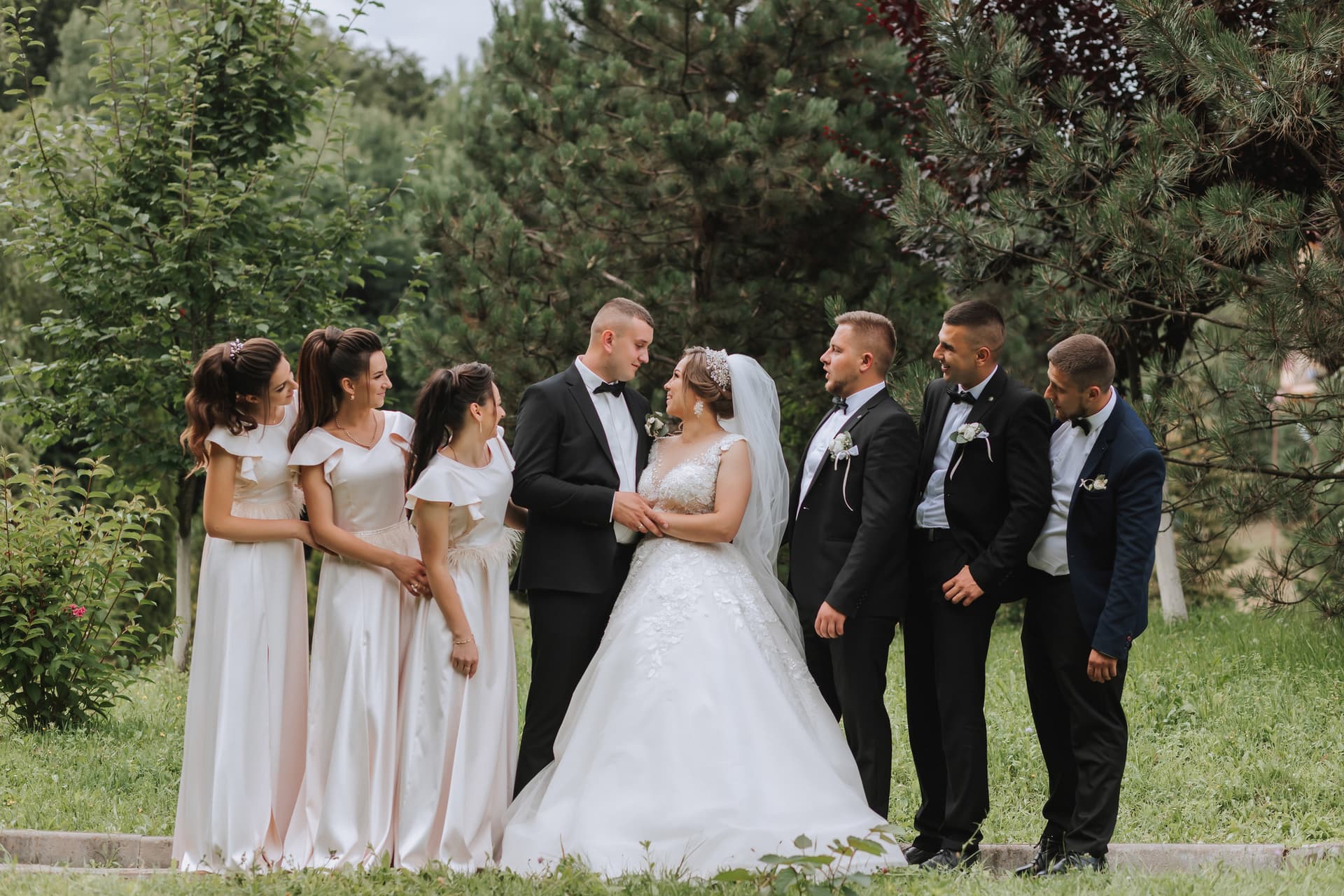
- Be mindful of your bridesmaids’ wallets. Requiring expensive dresses, shoes, and travel for pre-wedding events puts real financial pressure on people you care about. Offer affordable options in a color palette and limit mandatory travel. Guests prefer a good party over elaborate wedding favors, and the same principle applies to your wedding party.
Splurge: A Meaningful Venue and Guest Experience
The wedding venue is the backbone of your day. It is what guests see first, what shapes the atmosphere all night, and what appears in the background of nearly every photo. Couples typically spend about 40% of their budget on venues, and a good wedding venue can cost $6,000 or more depending on your city and guest count.
- Allocate 30–40% to venue and catering combined. This percentage shifts based on whether your venue requires its own caterer, whether you are hosting a Saturday evening reception in September versus a Friday in March, and how many guests you invite.
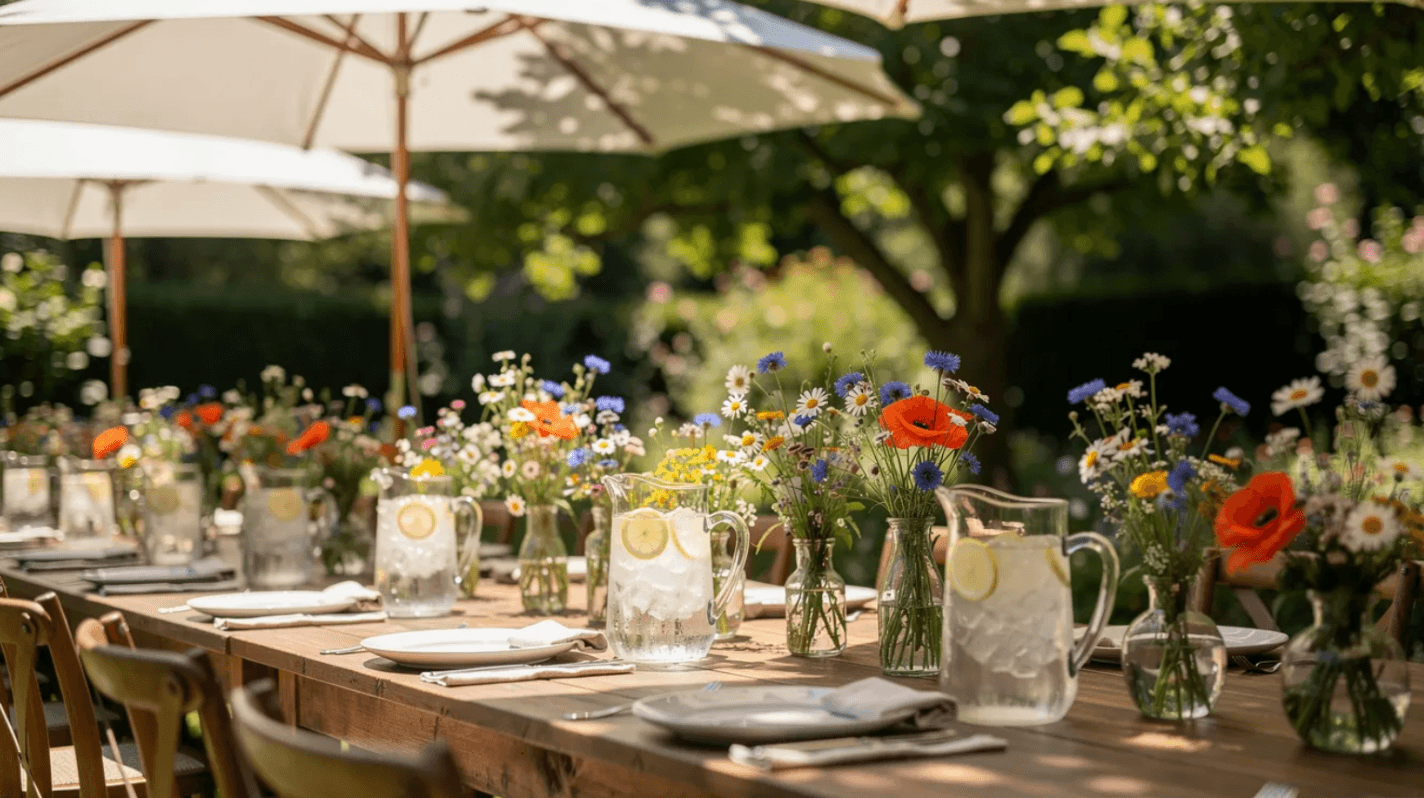
- Splurge smart. Choose a venue with character: a historic building, botanical garden, modern loft, or family property. A beautiful venue can eliminate the need for extensive decorations, and choosing a venue with built-in features can reduce overall wedding expenses. That is money you can move to food or music.
- Value bundled amenities. When the venue fee includes reception tables, standard linens, basic lighting, and an on-site coordinator, you offset costs that would otherwise go to separate rental companies. Splurging often buys convenience and professional management in one line item.
- Prioritize guest comfort. Walk the space thinking about parking, restrooms, weather backup, and accessibility. Good hospitality significantly influences overall guest satisfaction at weddings. Investing in elements that create sensory magic, like great lighting and comfortable temperature control, can enhance guest experience more than expensive centerpieces ever will.
Save: Décor, Ceremony Florals Re-Use, and DIY Details
Wedding flowers and décor can quietly consume 10% to 12% of your budget if you are not deliberate. Massive floral installations can inflate wedding budgets quickly, but clever choices and repurposing create a polished look without the premium price tag.
- Focus florals on one or two focal elements. Invest in a statement floral arch or ceremony backdrop, then consider reusing ceremony flowers at the reception. Move the same arrangements behind the sweetheart table or around the wedding cake display. Concentrating décor in impactful areas enhances visual design and cost efficiency.
- Simplify centerpieces. Swap lush, tall arrangements for tapered candles, seasonal greenery, or a few stems in bud vases. The effect is elegant, and the cost is a fraction of full floral centerpieces on every table.
- DIY where it makes sense. DIY wedding flowers can significantly reduce expenses, and handmade escort cards, welcome signs, and simple table numbers are ideal projects for couples who enjoy crafting. But saving often requires time and effort through DIY elements, so evaluate whether DIY efforts will lead to burnout before proceeding, especially in the final wedding week.
- Let the space do the work. A venue with brick walls, large windows, or a garden courtyard needs far less rental décor. Skip chandeliers, draping, and custom backdrops when the architecture already delivers.
Splurge: Food, Drinks, and Late-Night Snacks
A well-fed guest is a happy guest; invest in quality food. When your wedding guests look back on the evening, they will remember how they felt, whether the dinner was satisfying, and whether the drinks kept flowing, far more than the ceremony programs or chair covers.
- Allocate 15–20% to food and beverages. Couples spend about 15%–20% of their budget on food and drinks. Per-person catering typically runs $75–$175+ including tax and gratuity, depending on the market and service style.
- Splurge wisely on the menu. Invest in thoughtful appetizers during cocktail hour, a satisfying main course for dinner, and a fun late-night snack like sliders, pizza, or street tacos around 10:30 p.m. to give guests a second wind on the dance floor.
- Curate the bar. Limit the bar to beer, wine, and two cocktails rather than offering an unlimited premium full bar. Signature drinks tied to your story are more memorable and far more cost-effective than rows of top-shelf bottles nobody asks for.
- Schedule tastings and think seasonally. Seasonal, local ingredients deliver better flavor at lower prices. Make sure to include options for vegan, vegetarian, and allergy-conscious guests so everyone at the reception feels taken care of.
Save: Wedding Cake, Desserts, and Champagne Toasts
A wedding cake is iconic for photos, but most wedding guests are more focused on dancing and socializing than on sampling a dessert table. This is one of the easiest places to save money without anyone noticing.
- Opt for a smaller wedding cake. Choose a beautifully decorated display cake for cutting and photos, then serve sheet cake or simpler kitchen cakes from the back. You get the moment without the markup.
- Minimize the dessert table. For weddings under 150 guests, an elaborate dessert table can easily add $500–$1,500 with minimal return. Skip it unless dessert is a true priority for your own wedding.
- Skip the champagne toast to save money. Let guests toast with whatever drink they already have in hand, or serve a sparkling wine alternative rather than high-end Champagne. Most people will not notice the difference.
- Get creative with alternatives. A donut wall, cookie bar baked by family, or ice-cream sandwiches feel fun and cost less. Just avoid over-ordering sweet items that often go uneaten by the end of the evening.
Splurge: Your Wedding Dress Fit, Hair, and Makeup
You do not need the most expensive gown on the rack. But your wedding dress should fit impeccably and make you feel confident from the first look to the last dance. Most couples spend about 5% of their budget on wedding attire, though this can flex depending on your priorities.
- Keep total apparel at 5–8% of budget. That includes the dress, suit, shoes, accessories, and tailoring. Be cautious about going beyond this range, as splurging on high-end vendors may require using savings or incurring debt in other categories.
- Invest in professional tailoring. Hemming, bustling, taking in seams, and adjusting straps transform a good dress into a perfect one. A moderately priced gown that fits flawlessly photographs better than an expensive one that pulls or bunches.
- Splurge on hair and makeup. Professional styling with a trial run ahead of the wedding day and an all-day touch-up kit reduces stress significantly. Budget for the bride and maybe one or two key members of the party.
- Shop smart for wedding dresses. Sample sales, trunk shows, and secondhand boutiques regularly offer designer gowns at 20–50% off retail. Use the savings to fund alterations and beauty services that make the biggest visual difference in photos.
Save: Extra Outfits, Stationery, and Wedding Favors
Outfit changes, elaborate stationery suites, and traditional wedding favors are “nice-to-haves” that guests forget almost immediately. This is where you opt for simplicity without sacrificing style.
- Skip multiple outfit changes. Instead, transform one look with a removable overskirt, detachable sleeves, or an evening hair accessory. You create a “second look” in photos without paying for two full custom garments.
- Simplify wedding invitations. DIY stationery or digital invitations can reduce wedding costs considerably. Use a wedding website for RSVPs and event details, send email save-the-dates, and print a simpler invitation suite locally. Affordable options abound for couples willing to go partially digital.
- Minimize or skip wedding favors. Many couples end the night with a large percentage of favors left behind on reception tables. If favors matter to you, go edible: mini cookies stamped with the wedding date or locally roasted coffee. Otherwise, skip them entirely and redirect the extra money.
- Streamline printed pieces. Place cards, menus, and ceremony programs look perfectly polished in black-and-white on standard cardstock. DIY templates or simple local printing keep costs minimal.
Splurge vs. Save: Guest List Size, Timeline, and Date Choices
The number of wedding guests is one of the biggest levers in your entire budget. Catering, rentals, bar costs, and sometimes even the venue fee are priced per person. According to recent industry data, smaller weddings have become increasingly common precisely because couples want to invest more per guest while keeping total spend manageable.
- Build an A-list and B-list. Trimming from 180 to 130 guests can free up thousands to splurge on a live band, upgraded ceremony florals, or a better wedding DJ. High-quality music and sound can enhance the reception atmosphere, and a skilled entertainment provider controls reception energy and pacing throughout the evening.
- Choose an off-peak date. A Friday in April or a Sunday in November often comes with lower venue minimums and reduced vendor fees. Saturday evenings in May, June, September, and October command premium pricing.
- Shorten vendor hours. Six hours of photography instead of ten, or ending the reception at 10:30 p.m. instead of midnight, keeps overtime and staffing costs in check. These are a few parts of the budget where small adjustments yield real savings.
- Go intimate. A wedding with 50–60 guests allows larger per-guest splurges: a better menu, more stylish décor, a more generous bar, all while staying inside the same overall wedding budget.
Money Systems That Keep Your Wedding Budget on Track
Simple money systems prevent your carefully planned splurge vs. save decisions from falling apart as the date approaches. A structured approach to budgeting applies to weddings just as well as it does to any major financial project.
- Open a dedicated wedding bank account. Route all wedding-related payments through it so you can see at a glance what has been spent and what remains.
- Automate savings. Set up monthly automatic transfers from each partner’s personal account into the wedding fund. Match the transfer schedule to your timeline: start planning 18–24 months ahead and you can spread deposits across more pay periods.
- Use one shared tracker. A spreadsheet or budgeting app with categories broken out by major vendors, including the venue, catering, photography, wedding flowers, décor, dress, and music, keeps both partners aligned. Document deposits, due dates, and final balances in one place.
- Carry the habit forward. The same budgeting discipline used for your wedding will serve you well when you move on to a honeymoon, buying a first home, or tackling functional home projects like upgrading doors, windows, or a garage.
Q&A: Common Splurge vs. Save Questions About Your Wedding
Below are answers to the specific, practical questions couples ask most when they are in the thick of planning their own wedding.
How do we decide our top three splurges as a couple?
Each partner independently lists the three things they care about most, whether that is a live band, the wedding dress, a great photographer, or gourmet food. Compare lists for overlaps. Any shared item becomes an automatic splurge. For the rest, negotiate within the total budget ceiling and contingency fund. A common outcome: couples agree that photography, a generous menu, and a character-filled venue outrank elaborate favors and extra paper goods.
What’s a realistic percentage breakdown for a $25,000–$35,000 wedding budget?
A useful starting point: 30–40% for the venue and catering combined, 10–15% for photography and videography, 5–8% for attire and beauty, 8–12% for wedding flowers and décor, 3–5% for stationery, 3–5% for music, 5–7% for miscellaneous costs like transportation, the cake, officiant, and tips, and roughly 10% reserved as a buffer. These numbers shift based on your priorities and local prices. In high-cost cities, the venue and catering share may climb, compressing other categories.
Is it better to cut the guest list or downgrade vendors to stay on budget?
From a quality standpoint, reducing the guest list usually preserves the overall experience more than hiring lower-quality vendors. Feeding 120 guests very well, with a strong wedding photographer and a full evening of music, beats stretching to 190 guests with noticeable cuts in food, bar, and photography. That said, family expectations and cultural norms are real. Compromises like a smaller formal ceremony with a larger casual celebration later can bridge the gap.
How early should we book major vendors if our wedding is in 2027?
Book the wedding venue 12–18 months in advance for peak months. Lock in photographers and a wedding planner about 10–14 months out. Caterers, florists, and a wedding DJ or live band should be booked roughly 8–12 months before. Popular Saturdays in May, June, September, and October can fill even earlier, so start venue research as soon as you have a rough date and guest count. Early booking also protects you from price increases, keeping the wedding budget more predictable.
How do we avoid feeling guilty about saving money on certain “traditions”?
It is normal to feel pressure to follow traditions like printed ceremony programs, formal wedding favors, or a next-day brunch, even when they do not fit the budget. Reframe the question: instead of asking “What are we cutting?” ask “What are we choosing to invest in instead?” Skipping favors to upgrade the band is not a sacrifice; it is a deliberate choice. Communicate clearly with family about your reasons, focusing on shared priorities like quality time together, great food, and a relaxed, joyful atmosphere in the space you have created for the people you love most.
FAQ
Should we hire a wedding planner if we are trying to save money?
Yes. A wedding planner can save you money through vendor relationships and negotiation leverage. Their fee is often offset by the discounts they secure and the costly mistakes they help you avoid. If a full planner is outside your budget, consider a day-of coordinator who handles logistics so you can enjoy the celebration stress-free.
How much should we budget for a live band versus a wedding DJ?
A wedding DJ typically runs $800–$2,000, while a live band can range from $2,500 to $8,000 or more. If live music is in your top three priorities, it is worth the splurge. If not, a skilled DJ delivers excellent energy on the dance floor at a fraction of the cost.
What is the single fastest way to reduce our total wedding cost?
Reduce your guest count. Because catering, rentals, drinks, and sometimes the venue fee are priced per head, moving from 180 to 120 guests can save $5,000–$15,000 depending on your per-person costs. That freed-up budget lets you splurge on the categories that matter most to you both.